
Visiting Portugal For The First Time : Where to go - from my experience living here 7 years .
Updated: 6 hours ago
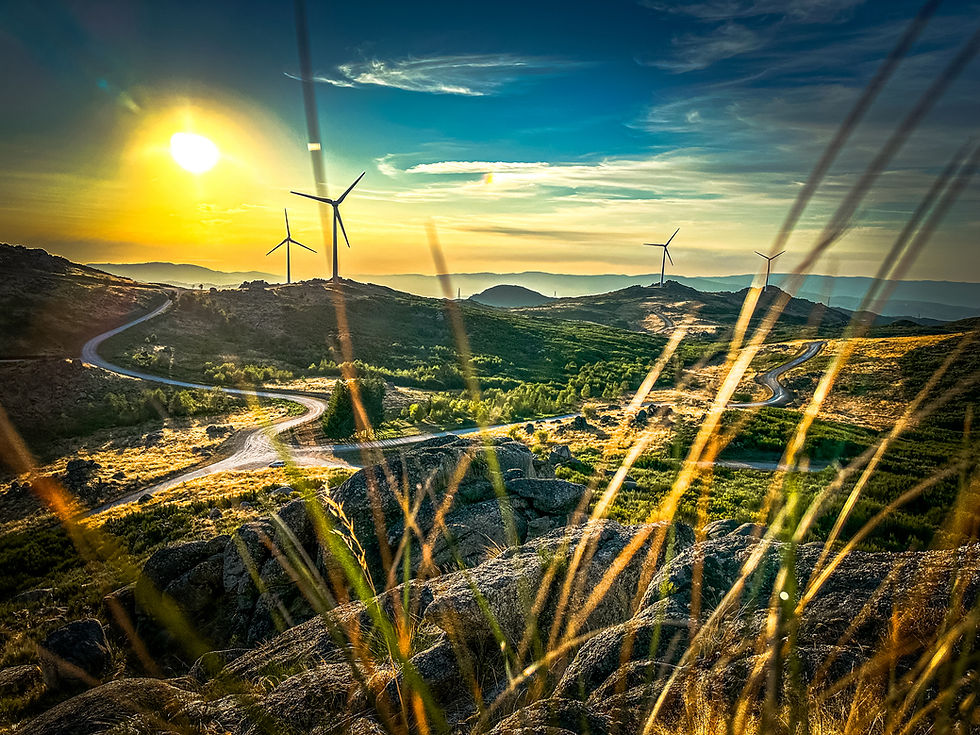
I have lived off-grid in central Portugal for seven years.
In that time I have watched people come for a week and leave changed. I have watched people come for a week and barely see the country at all.
The difference is almost always the same. The first ones got off the tourist track. The second ones didn’t.
This is not a tourist board list. This is what I would tell a friend who messaged me asking where to actually go.

The Portuguese people are the trip
I have to say this first because nothing else makes sense without it.
The Portuguese — particularly the ones outside the cities — are some of the kindest, most generous people I have ever lived among. I do not say that lightly. I spent twenty years in UK corporate life. I have travelled. I have met a lot of people.
These ones are different.
Years ago we pulled the campervan up by a river to camp for the night. We had not been there an hour before the farmer from the field next to the river was walking over with vegetables. He did not want anything for them. He just wanted to welcome us.
That is not a one-off. That is the country.
Not a transaction. Not a performance. Just decency, quietly handed to you, often by people who have very little.
Learn five words. Bom dia. Obrigado. Por favor. Faz favor. Saúde.
Watch their faces light up. That is the whole trick.

The Douro Valley
The Douro is a river that carves through the north of Portugal in long slow bends, with vineyards terraced up the hills on either side. The terraces are hundreds of years old. They look painted on. In the right light, they don’t look real.
You drive the N222 along the river. It has been voted one of the best driving roads in Europe and I would not argue. Every bend opens onto another view that makes you slow down.
You stop at the small quintas. You taste the wine. You eat lamb cooked over wood.
The best thing I ever did on the Douro was pull over for a picnic on the riverbank and just watch the water flow. No itinerary. No queue. Just the river, doing what rivers do. That was the day I understood the country.

Peneda-Gerês National Park
Portugal’s only national park, up in the top corner near Spain.
This is the wild side. Granite mountains. Roman roads still cut into the hills. Wild horses on the high passes. Waterfalls in places they should not exist.
The villages here have stone granaries on stilts lined up like rows of small chapels. Soajo. Lindoso. Older than most countries.
And the water. The rivers come down out of the mountains so clear you can see every stone on the bottom. There are swimming holes the locals know about that you will not find on Google. You ask a man in the village. He tells you to drive ten minutes and walk down a path. You find heaven.
If you only do one walk on your trip, do one here.

Aveiro and its lagoon
About an hour south of Porto. Most first-time visitors miss it entirely.
People call Aveiro the Venice of Portugal because of the canals and the painted boats. That comparison is lazy. Aveiro is its own thing. The art nouveau buildings are quietly beautiful. The local pastry is a convent recipe centuries old. The town itself is a slow afternoon well spent.
But the real reason to come is the lagoon.
The Ria de Aveiro is a vast wetland ringed with salt pans and marshes. And in the salt pans, in their hundreds, are flamingos. Pink. Wading. Catching the light against the white of the salt.
I have stood on the wooden boardwalks at low tide and watched them. Hundreds of them, wading through the shallows, heads down, feeding. You can stand there for an hour and they barely move on. Nobody talks above a whisper. You eat your sandwich on the boardwalk and the world keeps going somewhere else without you.

The coast around Aveiro is the other reason to come. Costa Nova with its striped candy houses. Long stretches of empty Atlantic beach running south through Mira and Figueira da Foz. Pine forests pressed right up against the sand.
This is the Portugal of fifty years ago. Wild. Quiet. Mostly empty even in August. If you want beach on your first trip but you do not want the Algarve, this is your answer.
The Caramulo Mountains
The Serra do Caramulo sits in central Portugal, west of where I live. Most international tourists have never heard of it. The Portuguese love it.
You can drive all the way to the top.
That is the thing about Caramulo. You do not have to earn the view. You drive up, you park, and the views go on forever. On a good evening you can see the sun setting over the Atlantic in the distance, the country laid out beneath you in every direction.
In autumn the whole mountain turns gold. In spring the mimosa goes off — yellow fire on every hillside.
Stop at the village of Caramulo on the way. The museum there is an odd, brilliant combination of vintage cars and proper art. The park has peacocks wandering around like they own the place. People will say hello. People will smile.
Stunning in every direction. I mean that literally.

Viseu
If you are picking a base in central Portugal, Viseu.
Small city. Granite. Cobbles. Quiet. The cathedral square — Adro da Sé — is one of those places you sit down in and forget to leave. The food is some of the best in Portugal. This is the heart of Dão wine country and the restaurants take it seriously without making a fuss.
Viseu is also a useful base. Caramulo, Buçaco, the Douro, my corner of the country — all within an hour or so.

The Buçaco Forest
Between Coimbra and Viseu. One of the strangest, most beautiful places in Portugal.
Buçaco is an ancient walled forest. Carmelite monks tended it for centuries. Portuguese explorers brought back rare trees from every corner of the world and planted them inside the walls. The result is a forest that feels almost tropical in places — 250-plus tree species, giant ferns, mossy paths, cool springs, mist hanging in the trees.
In the middle of it sits Buçaco Palace. A neo-Manueline confection of carved stone and turrets. It should not work. It does.
Walk the Via Sacra. Find the Fonte Fria — a stone staircase waterfall falling into pools so still they mirror everything above them. Get lost. That is the point.
Saramago, the Portuguese Nobel laureate, said it: you do not describe the Buçaco forest, it is best to get lost in it.
He is right.

The Serra da Estrela
Mainland Portugal’s highest mountains.
Granite. Glacial valleys. Shepherds’ villages tucked into the folds of the hills. Estrela cheese — soft enough to scoop with a spoon, made the way it has been made for hundreds of years.
In winter the snow falls on the peaks. In summer you can swim in glacial lagoons. The whole region is on a scale that recalibrates what you thought Portugal was.
Stay in Manteigas. Or Linhares da Beira. Or one of the schist villages on the eastern slopes. Walk. Eat. Sit by a fire at night.

Monsanto
Out near the Spanish border. One of the strangest villages in Europe.
Monsanto is built into and around enormous granite boulders. Some of the houses have boulders for roofs. Some have boulders for walls. The whole place looks like it landed.
The climb to the ruined castle at the top is worth every step. The view stretches across the plains of the Beira interior toward Spain. On a clear day it feels like you can see forever.
Go early. Or stay overnight. The day-trippers leave by evening and you get the place to yourself.

My corner: the river country
This is where I live.
The Beira interior — the stretch of central Portugal between Viseu, Guarda, and the border — is where I have spent the last seven years. Rolling oak and chestnut forest. Granite outcrops. Small rivers running through valleys nobody talks about.
My river is the Rio Águeda.
A morning here goes like this. The birdsong starts before the light does, loudest just as the sun comes up. You step outside and there is always something moving. Otters in the river. Genets on the bank if you are lucky. Deer in the trees behind the house. Red squirrels in the chestnut. Dragonflies and damselflies over the water. Frogs jumping wherever you walk. Lizards on every warm stone.
This is what people come here for and do not quite believe until they see it.
It is the Portugal of stone houses and hot bread and dogs in the road and church bells at strange hours and figs in season and old men playing cards in the village square at noon.
It is calm in a way that is hard to describe until you have sat in it.
If you want to come and feel it for yourself, the WyldeRoots River House https://www.airbnb.co.uk/rooms/1220308602650176903?unique_share_id=a198eb2c-5ac4-479d-9f58-6f17725e5b55&viralityEntryPoint=1&s=76
is here.
It is the Airbnb I run on the riverbank. Private river access. Spring water. Stone walls. Every bird and animal I just listed. You pay for a holiday. You get a holiday. If you want to talk, I am usually around.
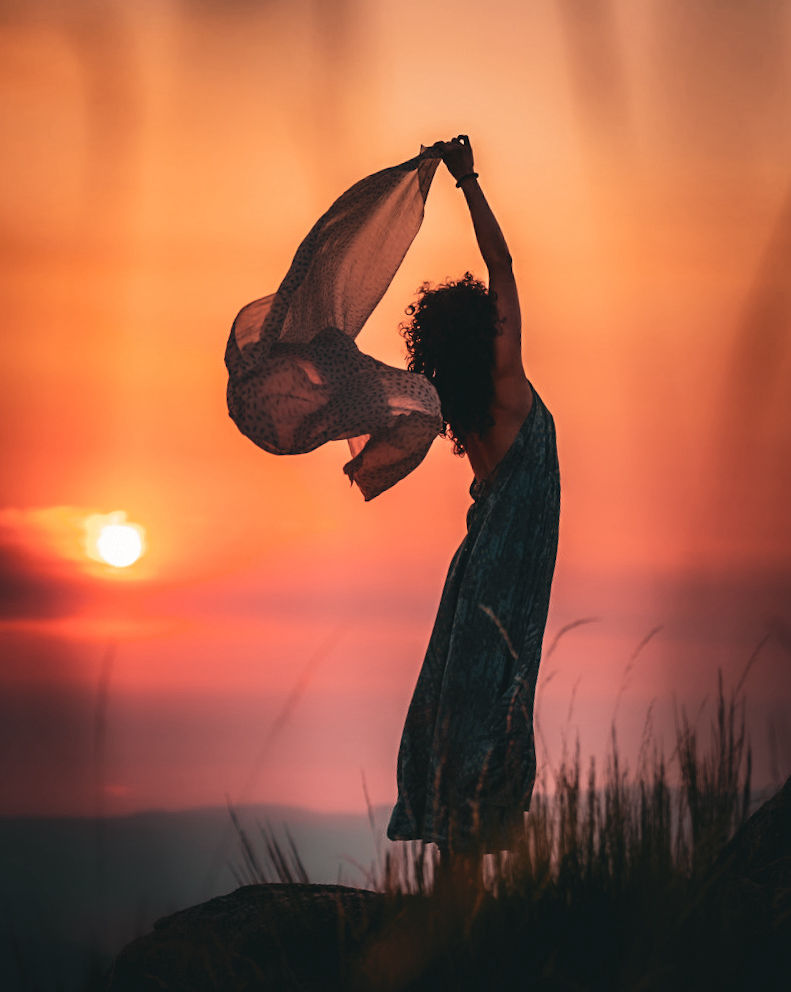
What you will feel in Rural Portugal
This is the bit nobody puts in the guidebooks.
After a few days here something happens to you. You eat slower. You drive slower. You stop reaching for your phone every five minutes because there is nothing on it as interesting as what is out the window.
The landscape does not stop. From Gerês to the Douro to the Caramulo to Aveiro to the Estrela to my river — every direction is beautiful. Stupidly, repeatedly beautiful. Beautiful enough that it becomes almost funny.
And the people keep being kind. And the food keeps being honest. And the wine keeps being better than it has any right to be.
That is the whole thing.
A few practical bits
Hire a car
Most of what is worth seeing is not on a train line. A small manual car is fine. Roads are good. Petrol is reasonable. Driving is calm.
Get cash
Card works in cities. Cash is king in the villages. ATMs are called Multibanco. They are everywhere.
Trust the house wine.
Vinho da casa* in a rural tasca is almost always good and almost always cheap.
Slow down.
This is the only piece of advice that actually matters. Portugal punishes the rushed. Pick two regions. Stay longer in each. Talk to people. Sit somewhere. Notice the light.
Don’t try to do it all.
The places in this post are spread across the whole country. You cannot see them in two weeks. You should not try. Pick what speaks to you. The rest will be here when you come back.
Because you will come back.

One last thing
Portugal is not for people who want to be entertained.
It is for people who are willing to slow down enough to receive it.
If you are one of those people, you have picked the right country.
Come slowly. Bring an open heart. Take the smaller road.
You will leave already planning the next trip.
-----
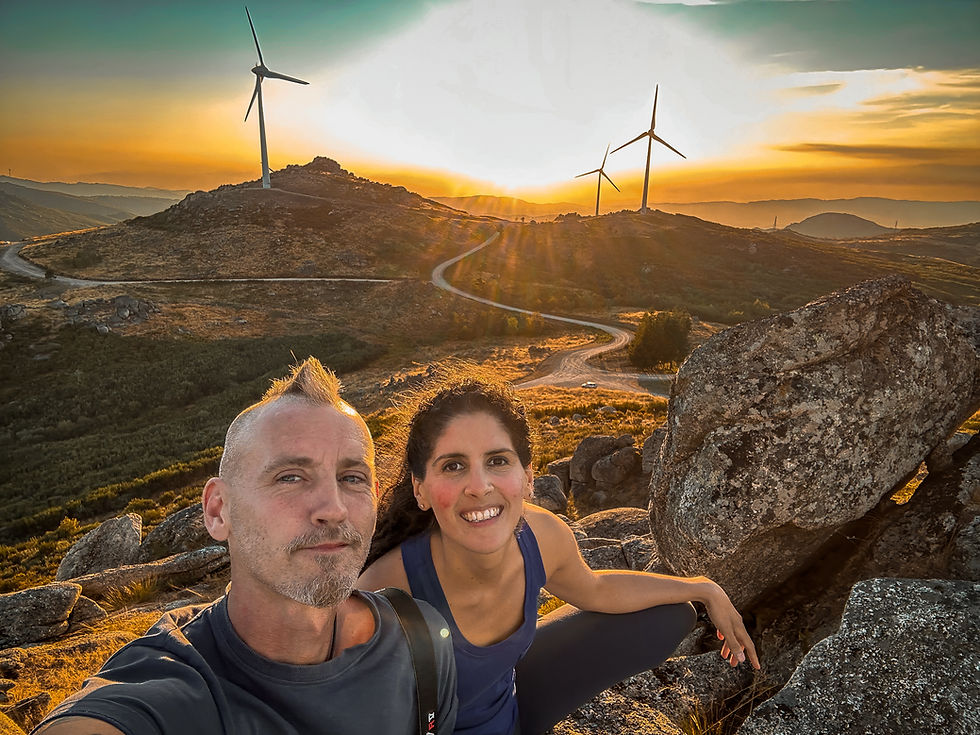
Alexander Sully | WyldeRoots
Life guide, sanctuary host, writer and internationally published photographer. Featured twice on Ben Fogle: New Lives in the Wild. Living off-grid beside the Rio Águeda in central Portugal.


Comments