Copy of How to Move Off-Grid in Portugal: My Personal Guide to Starting Your New Life
- Alex Sully
- Sep 15
- 7 min read
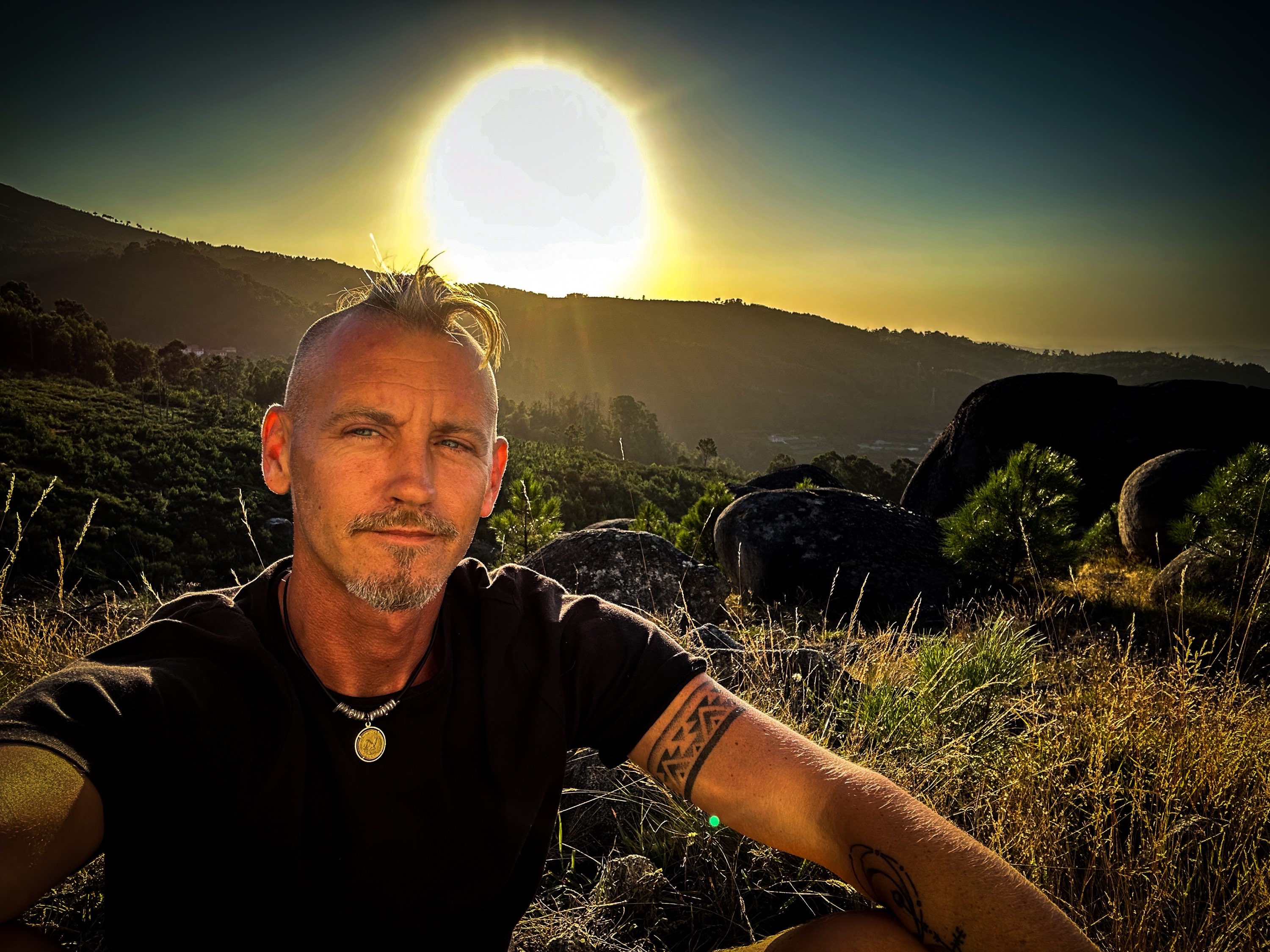
Hey, I’m Alex Sully. If you’ve been following my journey or caught my episodes on New Lives in the Wild, you’ll know I’ve lived off-grid, rebuilt old ruins, and helped others find freedom in nature and within themselves .

Moving off-grid isn’t just about escaping the city — it’s about learning a new way of living, reconnecting with the earth, and accepting both the challenges and the magic that come with it.
Portugal is one of the best places I’ve found for off-grid living — the climate, the people, and the landscapes are incredible. If you’re thinking about making the leap, here’s a full guide based on my experience and what I’ve learned from others.

Getting Your Paperwork Sorted — The Legal Stuff You Can’t Skip
Before you start dreaming of quiet forests and river sounds, the first step is dealing with paperwork. It’s not glamorous, but it’s essential.
If you’re an EU citizen, the move is pretty straightforward. You can live, work, and buy property in Portugal with few barriers.
However, if you’re from outside the EU — like me originally — you’ll need to get the right visa. That might be a residence visa or even a Golden Visa if you’re investing in property.
These things take time, so start early and be patient. The bureaucracy can move slowly.
Next up is your NIF number — the tax identification number. Think of it as your key to Portuguese life. You’ll need it to buy land, open a bank account, set up utilities, and register with local authorities. Don’t try to skip this — it’s the foundation.
And seriously, find a good local lawyer. Portuguese property law and notary procedures can be confusing and quite different from other countries. A lawyer will help you avoid costly mistakes and ensure your purchase is clean and legal.
Trust me — this one step will save you hours of stress.
Visas and Residency — For International Dreamers
If you’re from outside the EU, understanding visa options is critical. Portugal offers several types — residence visas for those planning long stays, Golden Visas for property investors, and even digital nomad visas for remote workers.
Start early with applications, and consider professional help to guide you. These legal steps are the backbone for a stress-free move.

Choosing Your Off-Grid Home: Ruins, Caravans, or Yurts?
When I talk about off-grid homes, people imagine something wild and remote. And that’s true — but there’s also a lot of variety.
I rebuilt an old stone ruin myself, a project that took years and a lot of patience. You have to be prepared for dust, paperwork, and physical labor. But there’s something deeply rewarding about bringing life back to an ancient place — feeling connected to the past and the earth beneath your feet.
If you want to start smaller and simpler, caravans or camper vans can be fantastic. They’re mobile, affordable, and allow you to settle in and move as you explore. Perfect if you’re still figuring things out. But hot in summer if in direct sun and can leak in winter if not maintained.
Yurts are another great choice — simple structures made from natural materials. They blend into the environment beautifully and offer a cozy, earthy feel. I’ve stayed in a few myself — very grounding. Great to live in but you need to constantly heat them in winter .. or mould will get in . In summer you can open the roof to let a breeze through .
Yurts , tents and caravan will all have animals moving in them at some point to so be wary of this .. especially mice 🐁

Power and Water — The Essentials for Independence
Portugal is blessed with sunshine — which makes solar energy the backbone of most off-grid systems. Solar panels combined with battery storage give you reliable electricity for your needs. It’s a game changer for living sustainably and independently. You can also get wind turbines and hydro power if applicable to your land .
Water is just as important. Many off-gridders rely on natural springs, wells, or rainwater harvesting. Always test your water source before committing. Clean water is non-negotiable.

Fire Risk and Land Management — Staying Safe in the Dry Summers
Portugal’s summers can be scorchers, and fire risk is a serious concern. Managing your land is vital — clear dry brush, trim trees near your home, and create firebreaks. This might seem tedious, but it could literally save your home and life. Also checking which trees are around, as some increase fire risk greatly.

Neighbours and Access — The Human and Practical Side of Off-Grid Life
Make sure your property has legal, reliable road access. It’s easy to overlook this, but without it, getting in and out becomes a nightmare.
And meet your neighbours! Rural Portugal is full of welcoming people, and having good relationships can make all the difference. It’s about community, trust, and sometimes a helping hand when things go wrong. Some can be crazy …so it’s good to check this too for safety reasons lol

Soil, Growing Food, and Living with the Land — Your Relationship with Nature
Growing your own food is a huge part of off-grid living. Knowing your soil’s quality and what grows best can save you time and heartache.
Portugal’s climate is perfect for olives, grapes, figs, and a range of vegetables. I always encourage people to test their soil early and plan a garden that suits their space and needs.

What Off-Grid Life Really Feels Like — The Honest Truth
Off-grid living isn’t a fairytale. You’ll face isolation, slow internet, and fewer conveniences. You’ll learn patience, self-reliance, and humility.
But the rewards? Fresh air, starry nights, waking up to birdsong, and a profound connection to the earth and seasons that city life just can’t offer.
When buying land in Portugal, size matters more than most expect—too large a plot can quickly become overwhelming, requiring constant maintenance, equipment, and time, while smaller parcels may mean closer proximity to neighbors and less privacy.
The type of landscape also plays a big role: forested or sloped land may be slower to manage but offer more long-term sustainability, while flatter, open areas might grow quickly and need regular clearing.
Choosing the right size and terrain depends on your lifestyle, time commitment, and vision for the land—balance is key.

The Overall Experience — The Good, The Bad, and The Wild
Portugal’s off-grid life comes with incredible highs — beautiful mountains, rich wildlife, warm community spirit — but also some lows like seasonal fires, occasional isolation, and bureaucracy.
Weather-wise, winters are mild but can be wet, summers dry and hot. Wildlife includes everything from deer and wild boar to amazing bird species and the odd snake or scorpion in your house . It’s a different pace of life, slower and more connected.
Final Thoughts — Why It’s Worth It
Moving off-grid in Portugal is a real adventure — hard work, slow progress, but ultimately freeing. It’s about stepping back, simplifying, and reconnecting.
If you’re ready to commit to this way of life, it will change you deeply.
I’ve spent years looking for life beyond the hum of power-lines, the glare of streetlights, schedules driven by convenience. It’s a journey many of us imagine: unplugged, simple, wild. But walking that path is more complex — richer, yes, but not romantic all the time.
Here’s what I’ve learned about off-grid life — the good, the hard, and what most people don’t tell you.
The Allure
Walking into wild places, watching clouds drift across hills, living by the rhythm of sun and seasons — there’s nothing quite like it. Off-grid living is its own kind of poetry: birdsong in place of traffic, nights lit by stars, days shaped by what the land and weather allow.
For many, it’s the promise of independence — less dependency on bills, less stress over rising utility costs. It’s about aligning values: sustainability, minimalism, living lightly.
The Hidden Costs
But alongside the magic, there are shadows.
Infrastructure: Solar panels, batteries, wind turbines — these cost money, require maintenance, fail in storms. Rainwater collection requires filters; compost-toilets need tending. Everything you do yourself takes time and skills.
Comforts and Conveniences: Expect cold mornings. Heating takes work. Showers may depend on sun. In winter, daylight is fleeting, and living off-grid can feel relentless.
Legal & Logistical Hurdles: Planning permission, building regulations, water rights — what seems simple often involves red tape. Sourcing materials and transport to remote places adds cost and complexity.
Isolation: The quiet is beautiful... until you need help, or a doctor, or decent internet. Community matters more than you think.
What Makes It Worth It
Even so, many days make everything worthwhile:
When you cook from what you grew or harvested
When you sleep deeply at night because of silence
When winter’s firewood feels earned, and spring’s blossoms feel like blessings
Off-grid isn’t about escaping life. It’s about choosing it, making the choices visible, taking responsibility for comfort, risk, and joy.
Practical Advice If You’re Thinking of Doing It
If you’re drawn to this life, here are some pointers:
Start small. Try weekends away, build a tiny off-grid structure first. Learn what skills you need: solar, water systems, wood heating, basic carpentry.
Build systems. Solar & battery, water collection, backup generator / alternative heating. Redundancy is your friend.
Plan for seasons. Winters are the test. Heavy rain, snow, cold temps — these will show you where systems fail.
Stay connected in community. Even in remote places, find likeminded people — for ideas, barter, emotional support.
Know the regulations. Always check local laws, permits, environmental rules.
The Myth vs. My Story
Many expect off-grid to be pure escape. But I’ve found it’s as much about facing what you left behind: consumer demands, endless noise, the assumption that more is better.
I didn’t come to off-grid for perfection. I came to pay attention. To live with fewer distractions, more meaning. That imperfect, demanding life has given me something deeper: a trust in myself, in seasons, in struggle and reward.
Off-grid living is not a quick escape. It’s a long conversation with nature, community, endurance, and our own expectations.
For those who feel the pull: don’t rush. Test, learn, adapt. Trust is built slowly — by doing what’s hard, by showing up when it’s cold and messy.
If you’re ready, though, the wilderness waits. And there’s more than enough beauty to make the cost feel worth it.
For cool properties , check out Pure Portugal website .


Comments